
Threat Insight
Possible U.S. Cyberattack on Venezuela
Since the U.S. attack on Caracas, the capital of Venezuela, that led to the capture of President Maduro, there have been persistent rumors that U.S. armed forces employed a cyberattack to knock out the electrical grid in Caracas in support of the attack.
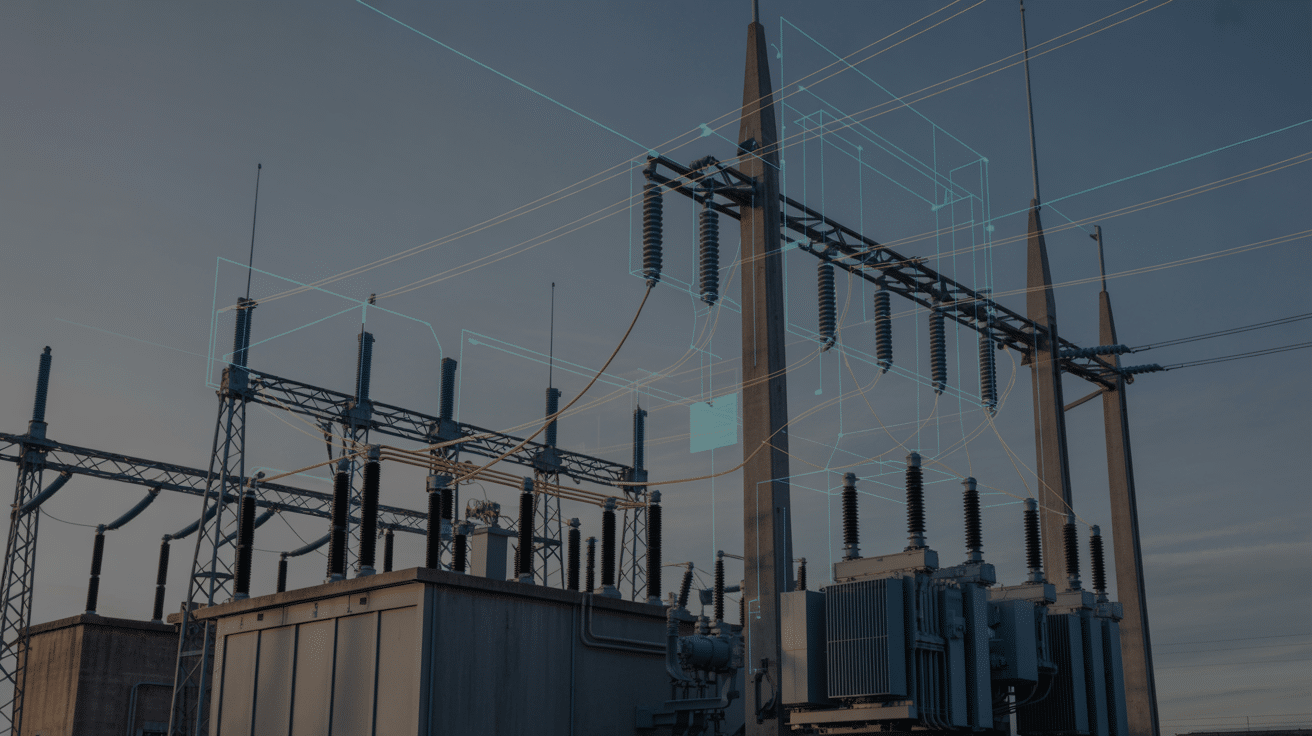
Speaking at a press conference at Mar-a-Lago on January 4, President Trump suggested that U.S. forces used technical expertise to disable power in Caracas ahead of the operation. “It was dark, the lights of Caracas were largely turned off due to a certain expertise that we have, it was dark, and it was deadly,” Trump said.[1]
General Dan Caine, chair of the Joint Chiefs of Staff, said during the same press conference that U.S. Cyber Command, U.S. Space Command, and other combatant commands “began layering different effects” to “create a pathway” for U.S. forces entering Venezuela early on Saturday. [1]
Independent monitoring ground confirmed disruptions to power and connectivity in the Venezuelan capital during the operation. Global internet monitoring organization Netblocks reported a loss of internet connectivity in Caracas early Saturday, coinciding with power cuts. Netblocks also posted publicly on X that connectivity data showed significant disruption during the period of reported power loss. [2]
At the same time, an unconfirmed video posted by the Venezuelan government on social media purportedly shows an electrical substation in Caracas that had been physically damaged by some form of explosion, something that doesn’t fit the theory that the power out was due to a cyberattack. [3]
Earlier in December 2025, Venezuela’s state oil company PDVSA had reported a destructive cyberattack they blamed on the US. [4]
Assessment
While it is likely that U.S. Cyber command was part of the attack on Venezuela January 3, it is still not possible to determine exactly how, or if it really was a cyberattack that caused the blackout in Caracas during the attack, and to what extent it was the blackout that was responsible for the poor performance of Venezuela’s air defenses.
The U.S. armed forces have a number of capabilities that can disrupt an energy grid, including special forces teams, missiles and specialized graphite “Blackout bombs” that can cause short circuits. [5]
The U.S. used extensive electronic warfare and radar jamming during the attack to blind radar stations. [6] There are also reports that the Venezuelan air defenses where unprepared and that key parts of their air defense equipment was not ready for the U.S. attack. [7] The energy grid in Caracas is also notoriously old and suffers from lack of maintenance.
Truesec can at this point not determine the effect of U.S. cyber operations during the attack on Venezuela, but the main takeaway is not the possible effect on the energy grid in Caracas in the attack. Rather it is that in modern war, cyberattacks are not a “golden gun” but an integrated element of a layered attack that includes cyber operations, space operations, electronic warfare, special forces, and precision guided missiles that together can overwhelm defenses.
References
[1] https://www.politico.com/news/2026/01/03/trump-venezuela-cyber-operation-maduro-00709816
[2] https://cybernews.com/cyber-war/us-cyber-attack-venezuela-power-outage/
[3] https://t.me/minenergia_ve/4807
[4] https://www.techradar.com/pro/security/venezuelan-oil-giant-pvdsa-hit-by-cyberattack-amid-us-conflict
[5] http://news.bbc.co.uk/2/hi/americas/2865323.stm
[6] https://cybernews.com/cyber-war/us-power-shutdown-caracas-future-cyber-warfare/
[7] https://www.businessinsider.com/venezuelas-russian-air-defenses-didnt-shoot-down-us-aircraft-2026-1
Stay ahead with cyber insights
Newsletter
Stay ahead in cybersecurity! Sign up for Truesec’s newsletter to receive the latest insights, expert tips, and industry news directly to your inbox. Join our community of professionals and stay informed about emerging threats, best practices, and exclusive updates from Truesec.
Your current browser privacy settings may be preventing this form from loading properly. To continue, please allow cookies/tracking for this site or temporarily disable strict privacy protection, then refresh the page.
If you’re still experiencing issues, please contact us at hello@truesec.com
Latest Insights

Multiple High-Severity Vulnerabilities in TeamViewer
![GitLab has released security updates[1] to address CVE-2026-85706, a critical unauthenticated arbitrary file read vulnerability affecting GitLab CE/EE (rated CVSS 10.0).](https://www.truesec.com/wp-content/uploads/2026/09/GitLab-has-released-security-updates1-to-address-CVE-2026-85706-a-critical-unauthenticated-arbitrary-file-read-vulnerability-affecting-GitLab-CEEE-rated-CVSS-10.0-960x540.png)
CVE-2026-85706: Critical GitLab Unauthenticated Arbitrary File Read Vulnerability (CVSS 10.0)